.png)
How I Work
Every child and young person is different, and there is no single way of doing therapy. I adapt the way we work together according to their age, development, personality and what they are bringing to therapy. Sometimes this means talking; sometimes it means playing, drawing, making or simply having time together.
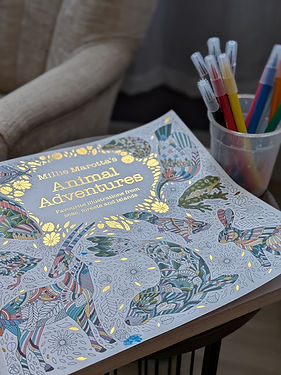

01 - Play and Creativity
Children do not always have the words to explain what they are feeling or experiencing. Play, drawing, stories and other creative activities can offer another way of communicating and exploring what is going on.
I pay attention to what emerges, including things that may be repeated or difficult to put into words. I don't rush to decide what they mean. Instead, we can gradually begin to think about these experiences together, at a pace that feels manageable for the child.
02 - Talking and Being Heard
As children grow older, talking may become a more important part of our work. Some young people find it easier to talk while doing something alongside another person, while others prefer to talk directly.
There is no expectation that a young person will have to talk about something before they are ready. We can find a way of working that feels comfortable for them, and this can change as our work develops.


03 - Thinking Together
My work is informed by psychoanalytic thinking. I am interested not only in what a young person is experiencing, but also in the feelings and patterns that may sit underneath it, including things that may not yet be easy to recognise or put into words.
The relationship between us is an important part of this. Over time, having someone who listens carefully, remains curious and does not rush to judgement can provide a space to think about experiences in a different way.
My hope is that therapy can help a young person develop a deeper understanding of themselves, their feelings and their relationships, and feel more able to navigate what life brings.